
 Following a diet of wholesome foods is ideal to achieve optimum health, and stay healthy.
We all know that foods that contain more than five or six ingredients should be consumed sporadically, because anything that has a shelf life… will most likely have the same effect in your body.
The longer manufacturers use these additives, the more we learn about the impact they will have in our bodies. While natural occurring preservatives used in foods are fine, there are certain additives that are harmful and cause everything from hives, asthma, nausea, migraine headaches, chronic diseases, change in children’s behavior to severe allergic reactions.
Here is a break down of what these chemicals are:

Farm Fishing
1. Canthaxanthin in Farm Fishing
 2. Aspartame
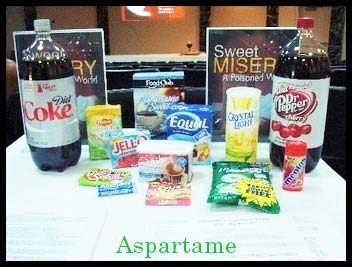 2. Aspartame
- alcohol free-stevia
 (Truvia isn’t really recommended. Read this article by Dr. mercola and the reasons why.
 - local raw honey (in moderation because it is still fructose)
- coconut sugar (not a low glycemic sweetener)
- Swerve
 (Truvia isn’t really recommended. Read this article by
Important note: Keep in mind that if you have high blood pressure, diabetes, insulin resistance (pre-diabetes), cholesterol imbalances, or if you battle with weight (like a lot of us do), you are better off without any type of sweeteners including artificial ones, because any sweetener can decrease your insulin sensitivity.
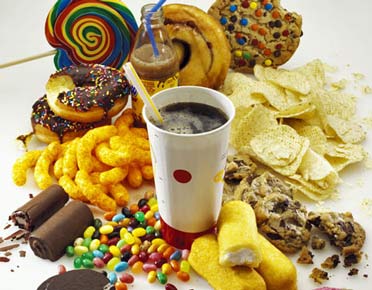
3. Artificial Flavoring
This blanket term refers to hundreds of laboratory chemicals designed to mimic natural flavors. For example, some imitation vanilla flavorings are made from petroleum or paper-mill waste. In fact, a single artificial flavoring can be created from hundreds of individual chemicals. New studies suggest artificial-flavoring additives can cause changes in behavior. So, Why Flavor food? According to the EWG A great deal of scientific engineering and design time goes into crafting flavors for processed foods.
This specialized work is done by just 500 professional flavorists who are responsible for the majority of flavors in nearly all food processed in the U.S. How a food tastes is largely determined by the volatile chemicals in the food. Chemicals that give food a specific smell are extremely important because smell makes up 80 to 90 percent of the sense of taste. In processed food, this mixture of chemicals is called “flavor.” Read the full article on flavors here.
 etc..), and real flavors from fruits and vegetables.
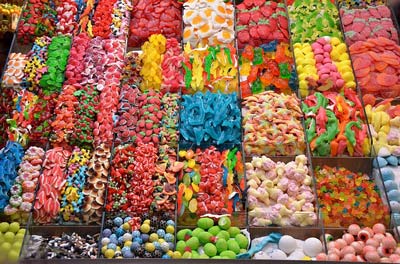
4. Artificial Colors
 (making them low carb). Egg white from pastured eggs, then added carrot juice to make it orange for a fall theme. I have made these fun and nutritious “elderberry gummies’ by wellnessmama for our family in the winter. I also make Ice pops in the summer like my healthy coconut ice pops which are gluten, dairy and no added sugars, or you can also make fruit juice ice pops, dried fruit, or fruit juice pops.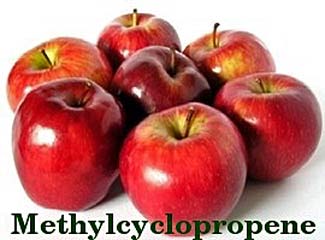
5. Methylcyclopropene
This gas is pumped into crates of apples to stop them from producing ethylene, the natural hormone that ripens fruit. Commonly known as SmartFresh, this chemical preserves apples for up to a year and bananas up to a month. Sulphur dioxide serves the same purpose when sprayed on grapes.
Question: Were you aware of any of these quemicals in your food and have you taken any steps to remove them from your diet?
Other Great sources of information:
Sugar Substitutes—What’s Safe and What’s Not
Wow I wasn’t aware that those chemicals even existed. What’s with adding stuff to apples? Geezzz where are we going with food?
Thanks for posting this, a few more things to remove from my pantry. Your articles are always timely.
Hi Margherite,
You are welcome! Aww I am glad you learned something new, and super happy to hear you’ll be doing a pantry make over. Yaaaas! Yes, it is pretty discouraging to know that chemicals are added to fresh fruits and vegetables to “preserve” them or give them a nice shiny color.