Iodine Deficiency Symptoms: Why Smart Women Are Using This Powerful Mineral to Heal Cysts Naturally. Discover how this essential mineral may help support your body’s natural healing processes
What Is Iodine and Why Does Your Body Need It?
Iodine is a trace mineral that’s absolutely essential for optimal health, yet it’s one of the most commonly deficient nutrients worldwide. While most people associate iodine with thyroid function, this powerful mineral plays crucial roles throughout the body—including supporting breast health, hormone balance, and cellular detoxification.
Your body cannot produce iodine on its own, making dietary intake and supplementation critical for maintaining adequate levels. Unfortunately, modern farming practices, soil depletion, and reduced consumption of iodine-rich foods have led to widespread deficiency.
Understanding Fibroids, Cysts, and Benign Growths
Before exploring iodine’s potential benefits, it’s important to understand what we’re addressing:
Uterine Fibroids are non-cancerous growths in the uterus that affect up to 80% of women by age 50. They can cause heavy bleeding, pelvic pain, and reproductive challenges.
Ovarian Cysts are fluid-filled sacs that develop on or within the ovaries. While most are benign, they can cause discomfort and hormonal imbalances.
Breast Fibroids (Fibrocystic Breast Disease) involve the development of lumpy, tender breast tissue that often fluctuates with menstrual cycles.
Thyroid Nodules are growths within the thyroid gland that can affect hormone production and metabolism.
The Iodine-Fibroid Connection: What Research Reveals
Hormonal Balance and Estrogen Dominance
One of the primary ways iodine may support fibroid reduction is through its impact on hormonal balance. Research suggests that iodine deficiency can contribute to estrogen dominance, a condition where estrogen levels are disproportionately high compared to progesterone.
Estrogen dominance is a known risk factor for:
- Uterine fibroid growth
- Breast fibrocystic changes
- Ovarian cyst development
- Endometrial hyperplasia
By supporting healthy hormone metabolism, adequate iodine intake may help create a more balanced hormonal environment that is less conducive to fibroid growth.
Cellular Health and Apoptosis
Iodine plays a crucial role in cellular health and may support the body’s natural process of programmed cell death (apoptosis). This process is essential for removing abnormal or damaged cells before they can develop into problematic growths.
Studies have shown that iodine concentrates in breast tissue, ovarian tissue, and the uterus, exactly the areas where fibroids and cysts commonly develop. This suggests that these tissues have a particular need for iodine to function optimally.
Anti-Inflammatory Properties
Chronic inflammation is increasingly recognized as a contributing factor to fibroid development and growth. Iodine possesses natural anti-inflammatory properties that may help reduce the inflammatory environment that supports abnormal tissue growth.
Iodine Benefits for Specific Conditions
Uterine Fibroids
Research suggests that women with uterine fibroids often have lower iodine levels than those without. While more studies are needed, preliminary evidence indicates that restoring optimal iodine status may:
- Help regulate menstrual cycles
- Reduce heavy bleeding
- Support hormonal balance
- Decrease fibroid-related symptoms
Breast Health and Fibrocystic Disease
The breasts contain some of the highest concentrations of iodine in the body, second only to the thyroid gland. Studies have shown that:
- Women with fibrocystic breast disease often have iodine deficiency
- Iodine supplementation may help reduce breast pain and tenderness
- Adequate iodine intake supports healthy breast tissue development
- Some research suggests iodine may help reduce breast nodularity
Ovarian Cysts
While research is more limited, some studies suggest that iodine’s hormone-balancing effects may help reduce the formation of certain types of ovarian cysts, particularly those related to hormonal imbalances.
Thyroid Nodules
For thyroid health specifically, maintaining adequate iodine intake is crucial for:
- Supporting healthy thyroid hormone production
- Reducing risk of goiter development
- Potentially preventing some types of thyroid nodules
Natural Sources of Iodine
Dietary Sources
Sea Vegetables:
- Kelp (up to 2,000 mcg per gram)
- Nori (16-43 mcg per sheet)
- Dulse (8-35 mcg per gram)
- Wakame (42-80 mcg per gram)
Seafood:
- Cod (158 mcg per 3 oz serving)
- Shrimp (35 mcg per 3 oz serving)
- Tuna (17 mcg per 3 oz serving)
- Salmon (59 mcg per 3 oz serving)
Other Sources:
- Organic cranberries
- Organic strawberries
- Himalayan pink salt
- Eggs from pasture-raised hens
- Organic dairy products
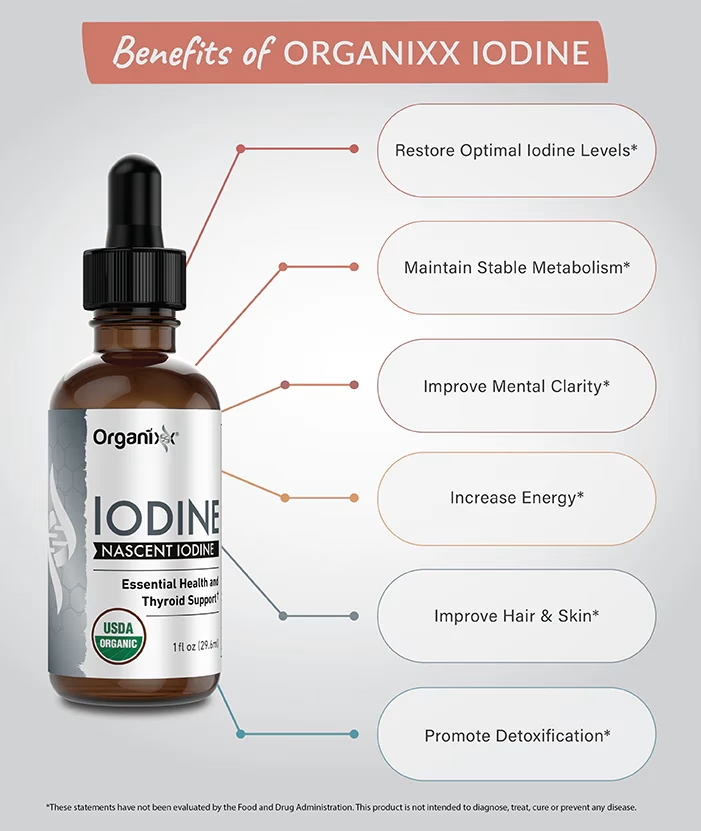
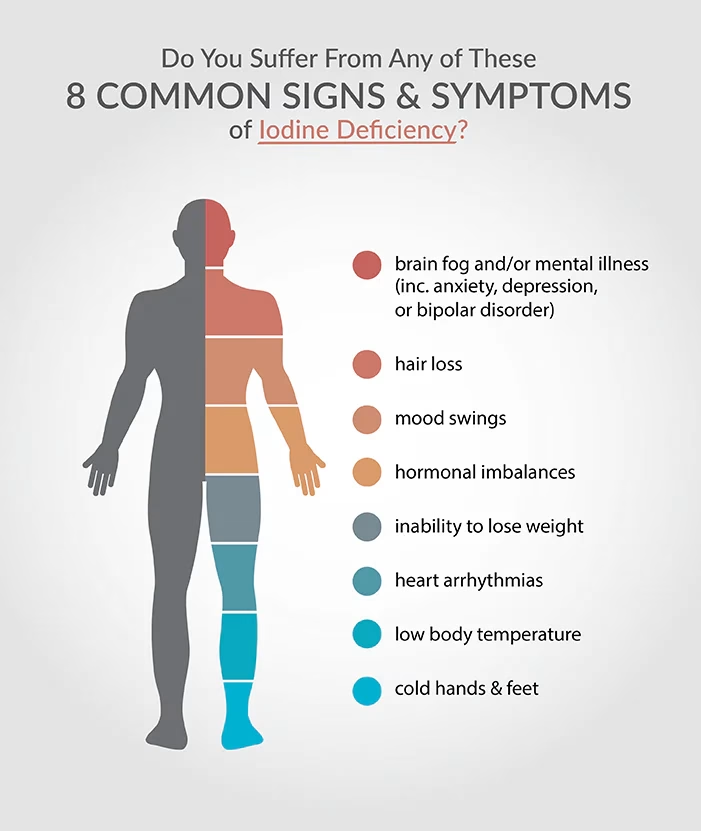
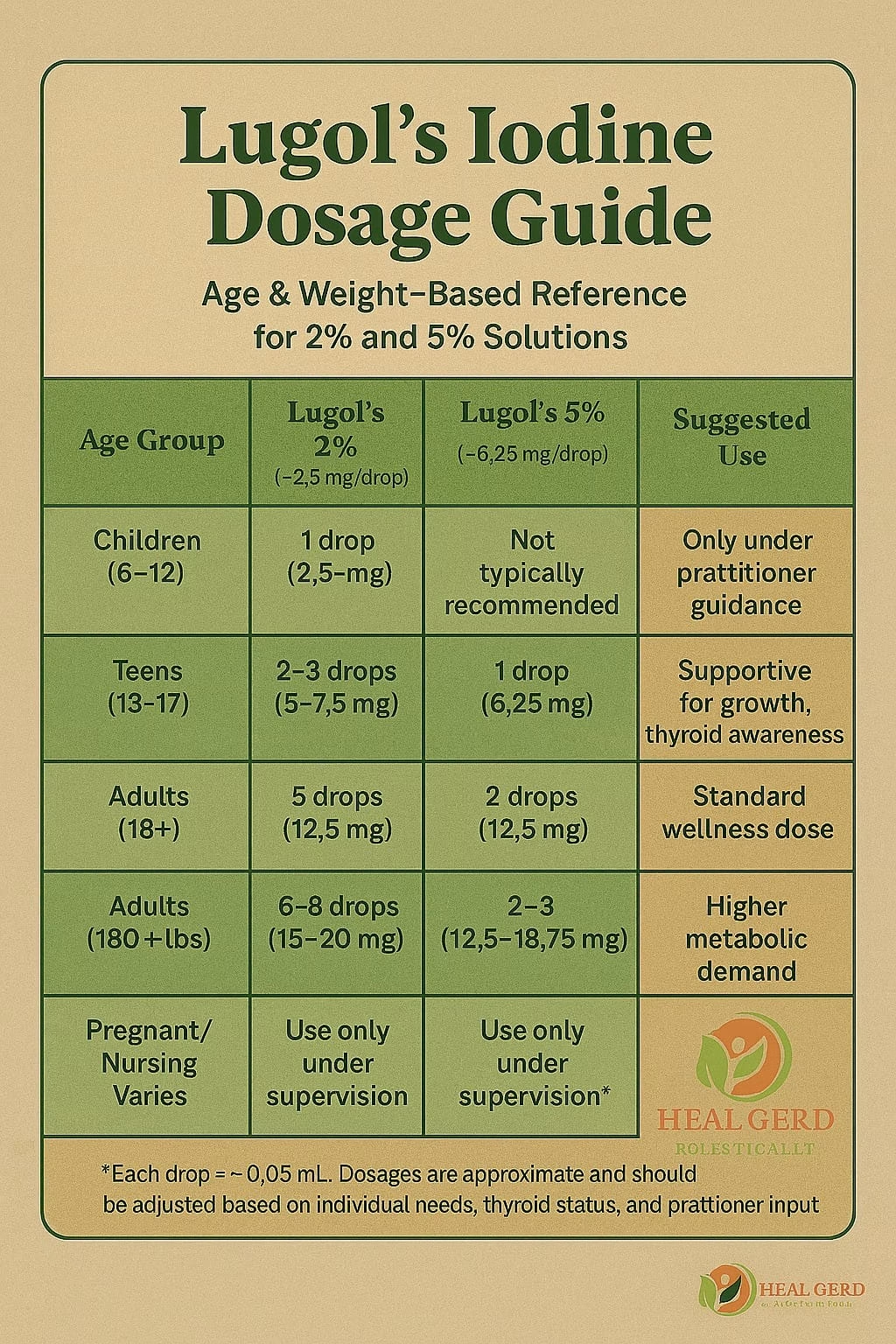
SUPPLEMENTING WITH IODINE (What I use and recommend)
🧘♀ Holistic Notes
- Start low, go slow: Especially with 5%, which is more concentrated.
- Pair with cofactors: Selenium, magnesium, vitamin C, and B2/B3 support iodine metabolism.
- Monitor symptoms: Detox reactions (fatigue, skin changes, mood shifts) may indicate dosage adjustment is needed.
- Cycle seasonally: Many practitioners recommend pulsing iodine; e.g., 5 days on, 2 days off.
Supporting Nutrients for Optimal Iodine Function
Selenium
Selenium is crucial for iodine metabolism and thyroid hormone conversion. The optimal ratio is typically 1:1 (selenium to iodine in mcg).
Vitamin C
This antioxidant helps protect the thyroid gland during iodine supplementation and supports overall immune function.
Magnesium
Essential for over 300 enzymatic processes, magnesium supports hormone production and cellular energy.
Zinc
Important for hormone synthesis and immune function, zinc works synergistically with iodine.
B-Complex Vitamins
Particularly B2, B3, and B6, which support energy production and hormone metabolism.
Holistic Approach to Fibroid Management
While iodine may offer significant benefits, a comprehensive approach to fibroid management should include:
Dietary Modifications
• Reduce processed foods and refined sugars • Increase fiber intake to support estrogen elimination • Choose organic produce when possible • Include anti-inflammatory foods like turmeric and ginger
Stress Management
Chronic stress can worsen hormonal imbalances. Consider: • Regular meditation or mindfulness practices • Adequate sleep (7-9 hours nightly) • Stress-reducing activities like yoga or walking
Environmental Toxin Reduction
• Choose natural personal care products • Filter drinking water • Use glass or stainless steel food containers • Select organic foods when possible

Regular Exercise
Physical activity helps: • Balance hormones naturally • Improve circulation • Support healthy weight management • Reduce stress
Safety Considerations and Contraindications
When to Avoid Iodine Supplementation
- Hyperthyroidism (overactive thyroid)
- Certain autoimmune thyroid conditions
- Iodine allergies
- Taking certain medications (consult your doctor)
Signs of Iodine Excess
- Heart palpitations
- Anxiety or nervousness
- Insomnia
- Skin rashes
- Metallic taste in mouth
Working with Healthcare Providers
It’s crucial to work with a healthcare provider experienced in iodine supplementation, particularly one who specializes in:
- Functional medicine
- Integrative women’s health
- Endocrine disorders
- Nutritional medicine
Testing and Monitoring
Recommended Tests
Before starting iodine supplementation, consider these tests:
- 24-hour urine iodine loading test
- Comprehensive thyroid panel (TSH, T3, T4, reverse T3, antibodies)
- Complete blood count
- Comprehensive metabolic panel
- Hormone panel (estrogen, progesterone, testosterone)
Monitoring Progress
Regular follow-up testing helps ensure:
- Optimal iodine levels are achieved
- Thyroid function remains stable
- Fibroid symptoms are improving
- No adverse effects are occurring
Success Stories and Clinical Experience
While individual results vary, many women report significant improvements when addressing iodine deficiency as part of a comprehensive fibroid management plan. Common improvements include:
- Reduced menstrual bleeding
- Decreased pelvic pain
- Improved energy levels
- Better sleep quality
- Enhanced mood stability
- Reduced breast tenderness
- Supplementation Considerations
- When considering iodine supplementation for fibroid support, it’s essential to work with a qualified healthcare practitioner. Iodine supplementation requires careful monitoring because:
- Too much iodine can suppress thyroid function
- Individual needs vary significantly
- Other nutrients (like selenium) are needed for proper iodine utilization
- Existing thyroid conditions require special consideration
Conclusion: Empowering Your Health Journey
Iodine deficiency may be a significant but often overlooked factor in the development and persistence of fibroids, cysts, and other benign growths. While more research is needed, the existing evidence suggests that restoring optimal iodine status, as part of a comprehensive wellness approach, may offer meaningful benefits for women struggling with these conditions.
Remember that healing is a journey, not a destination. Working with qualified healthcare providers, making gradual dietary and lifestyle changes, and listening to your body’s needs are all essential components of successful fibroid management.
The path to optimal health is unique for each individual, but with the right support, knowledge, and commitment, it’s possible to achieve significant improvements in your symptoms and overall well-being.
Supplementation Considerations
When considering iodine supplementation for fibroid support, it’s essential to work with a qualified healthcare practitioner. Iodine supplementation requires careful monitoring because:
- Too much iodine can suppress thyroid function
- Individual needs vary significantly
- Other nutrients (like selenium) are needed for proper iodine utilization
- Existing thyroid conditions require special consideration
This article is for educational purposes only and is not intended to replace professional medical advice. Always consult with qualified functional medicine or holistic healthcare providers before making changes to your health regimen, especially when dealing with medical conditions like fibroids, cysts, or other growths.
Ever used Iodine? What was your experience?